The five types of table setup in restaurants are formal, casual, buffet, banquet, and cocktail.
Each setup creates a different dining experience and highlights how restaurant table tops, shapes, and finishes influence atmosphere:
1. Formal Setup
Formal setups are often found in fine dining establishments. These arrangements use multiple utensils, polished glassware, folded napkins, and elegant restaurant tables designed to make every meal feel refined. The table tops are usually stone, wood, or other durable materials that support a sense of luxury.
2. Casual Setup
Casual setups are more common in cafés and family-style restaurants. Here, tables and chairs in a restaurant are arranged for ease and comfort, often with simple table tops and minimal decoration. This style encourages guests to relax and focus on the food and company.
3. Buffet Setup
In a buffet layout, the restaurant table tops play a functional role, often wider and more durable to handle high turnover and heavy use. Plates and utensils are placed in a self-serve format, while seating tables are kept simple and efficient. This setup is all about flow and practicality.
4. Banquet Setup
Banquet setups are popular in event spaces and large restaurants. Long restaurant tables with uniform settings create a sense of togetherness. The design emphasizes durability and cohesion, making sure every guest has the same experience, often enhanced by sturdy table tops that can handle large groups.
5. Cocktail Setup
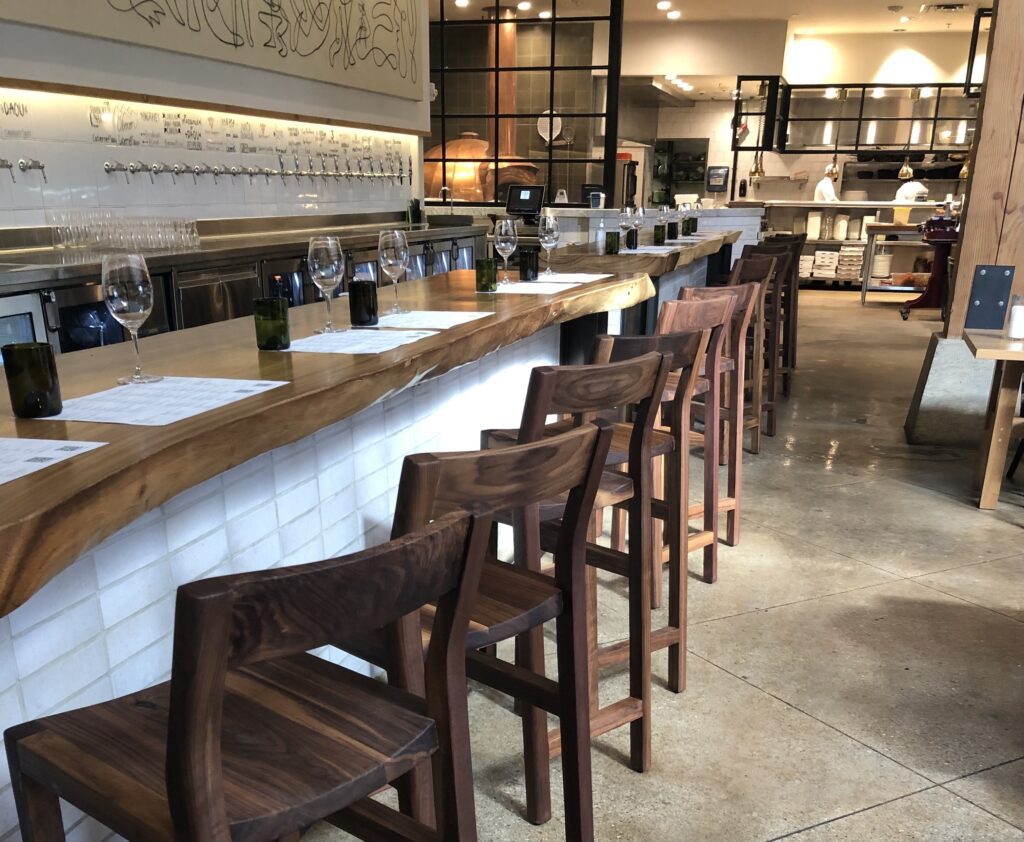
Cocktail setups use high restaurant tables or bar tops with minimal place settings. They’re designed to encourage standing, mingling, and short-term comfort. These setups rely on sleek finishes and sturdy construction, so the tables withstand constant use while keeping the atmosphere lively and social.
Table Tops Are a Visual Anchor
A restaurant table top does more than provide a surface — it’s the visual anchor of each guest’s personal space. The table is one of the most touched and closely observed elements in a restaurant, shaping first impressions and reinforcing brand identity. A worn or cheap table top can undermine an otherwise polished atmosphere, while a thoughtfully designed surface elevates the entire dining experience.
The material you choose makes a lasting impact. Restaurant table tops in natural wood bring warmth and authenticity, metal inlays or industrial finishes create a modern edge, and polished stone communicates sophistication and permanence. Each choice should align with your restaurant’s theme and atmosphere.
Beyond aesthetics, durability is key. In high-traffic dining environments, tables need to withstand spills, heat, and constant cleaning. This is where custom restaurant tables shine — they can be built with scratch-resistant finishes and reinforced edges, ensuring they not only look great on opening night but continue to perform after years of daily use. At South Loft, our approach to furniture manufacturing balances beauty and practicality so your tables tell a story while standing the test of time.
Table Shape Influences Flow and Feel
The shape of restaurant tables directly affects how guests interact with each other and with the space around them. More than just a matter of design preference, table shape influences conversation, comfort, and the flow of movement in the dining room.
- Round tables promote intimacy and equality, encouraging conversation by keeping everyone at equal distance. They work well in upscale dining or smaller, cozier spaces where connection is the priority.
- Rectangular tables maximize seating efficiency and structure, making them a go-to choice for large parties or banquet setups. They create a sense of formality and order, ideal for restaurants that prioritize group dining.
- Square tables strike a balance, fitting neatly into smaller layouts while still offering flexibility. They can be pushed together for larger parties or kept separate for individual seating, giving operators versatility.
The arrangement of tables and chairs in a restaurant plays a critical role, too. Too many rectangular tables in tight quarters can make a room feel cramped, while a scattering of round tables in open areas can feel inviting and balanced. By mixing shapes strategically, restaurants can guide movement, avoid bottlenecks, and create zones that support both intimacy and energy.